
How to Choose a Crowd Management Company for Your Event
Seven practical criteria for choosing the right crowd management company in Saudi Arabia, plus the questions to ask before you sign.
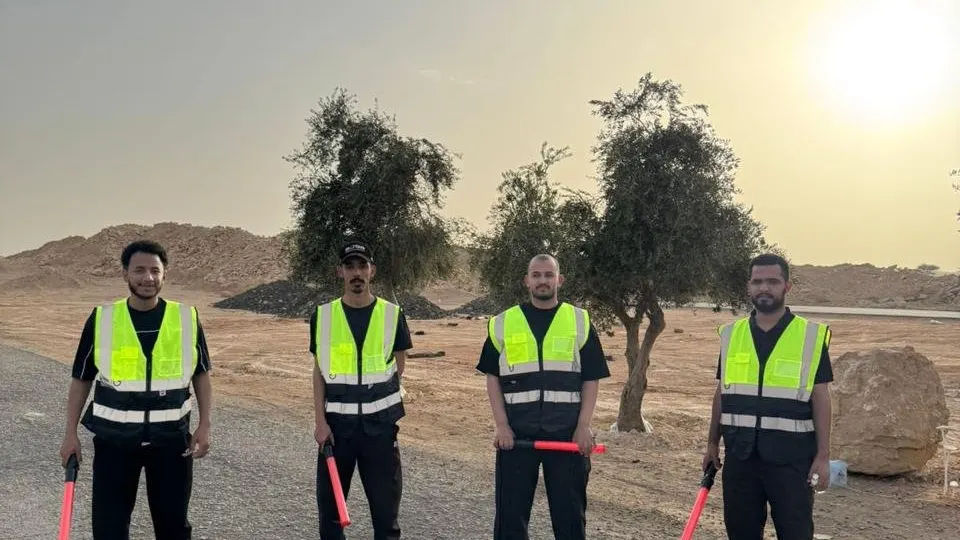
When you plan an event that will draw thousands of visitors, most of the attention goes to the programme, the stage and the guest list. Yet what visitors remember is often simpler: how long they queued at the gate, whether they found their way to the hall, and how easily they got back to their car. All of that is crowd management, and the company you choose to run it has a direct effect on the safety of your audience and the success of your event.
This guide sets out what we recommend organisers check before hiring a crowd management company in Saudi Arabia, whether the event is in Riyadh, Jeddah or anywhere else in the Kingdom. The same criteria apply to government events, entertainment seasons, exhibitions and conferences of any size.
Why your event needs a specialist
Crowds do not behave like individuals. Bottlenecks form at entrances, service points and peak hours, and they are hard to fix on the spot if nobody planned for them. A specialist company brings more than headcount: it brings a plan based on the venue and the audience, and teams who know what to do when conditions change suddenly. The result is a safer event, more satisfied visitors and an organiser who can focus on the programme instead of firefighting.
Authorities also expect organisers of large events to present a clear plan for safety and visitor flow. A specialist partner makes that plan easier to prepare, discuss and deliver on the day.
Seven things to look for
1. They ask about your event before they quote
A serious company starts with questions, not prices. What type of event is it? How many people do you expect, and how will they arrive? When are the peak hours? Will there be officials or VIP guests? If a quote arrives without any of these questions, the plan behind it is probably generic rather than built for your event.
2. A written flow plan, not general promises
Ask to see how movement will be managed on paper: entry and exit routes, gathering and waiting areas, signage locations and where each team will stand. A written plan sets clear expectations, makes coordination with other suppliers easier, and gives you something to measure performance against on event day.
3. Trained, supervised field staff
The quality of crowd management shows in the person standing at the gate. Ask how staff are selected and trained to deal with the public, whether each zone has a field supervisor, and whether the team wears a uniform visitors can recognise. Well-trained staff calm situations before they escalate and guide visitors with courtesy and confidence.
4. Coordination with security and the authorities
Major events in Saudi Arabia require close coordination with security and regulatory bodies. Make sure the company knows how to work within that system, has clear procedures for emergencies, and shares its plan with the relevant parties before the event, not after it.
5. Crowds, traffic and parking in one plan
Congestion rarely starts at the gate. It starts on the roads leading to the venue and in the car parks. When crowd management is separated from traffic, parking and valet, gaps appear between teams and visitors pay for them. Many organisers prefer one partner to run the whole arrival journey, from the car entering the car park to the guest taking their seat, with options such as electric golf carts for long distances on site.
6. Clear communication on the day
Ask how teams will communicate with each other during the event, and who your single point of contact will be. A clear field lead and reliable communication channels mean any change in visitor flow is spotted and handled within minutes.
7. A plan for the exit
Many plans focus on entry and forget the exit, even though the end of an event is often the busiest moment. Check that the plan includes clear exit routes, teams at the exits and car parks, and coordination with the valet service so cars are returned without long queues.
Common mistakes when hiring
- Choosing the cheapest quote without reviewing the plan and the proposed staffing.
- Hiring too late to study the venue and coordinate with the authorities.
- Splitting crowds, parking and valet between several suppliers with no clear coordination.
- Planning for normal hours and overlooking peak entry and exit times.
Questions to ask before you sign
- Which events of a similar size and type have you managed?
- Can we review the proposed flow plan before the event?
- How do you select and train staff, and who supervises them on site?
- What are your safety procedures for peak times and emergencies?
- How do you coordinate with security and the relevant authorities?
- Can traffic, parking and valet be included in the same plan?
What to prepare before you get in touch
For a fast, accurate proposal, have these details ready: the type of event, its date and hours; the venue and a site plan if available; expected attendance and the type of audience; how visitors will arrive, whether by private car or shuttle; and any other services you need, such as parking, valet or reception. With this information a company can estimate staffing and design a plan that fits your event from the start.
The bottom line
Choosing a crowd management company deserves as much care as choosing the venue or the programme. Look for a partner that starts by understanding your event, puts its plan in writing, relies on trained and supervised staff, coordinates with the authorities, and links crowds with traffic and parking in one system. Get those right, and your guests’ experience will start smoothly and end the same way.